San Martino Charterhouse and museum in Naples
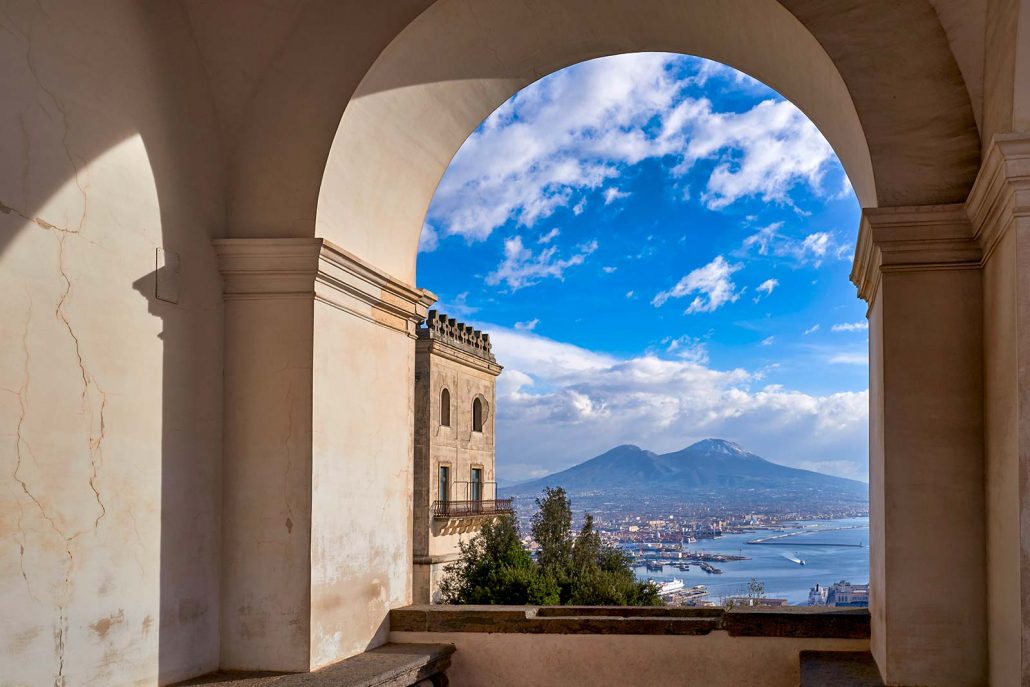
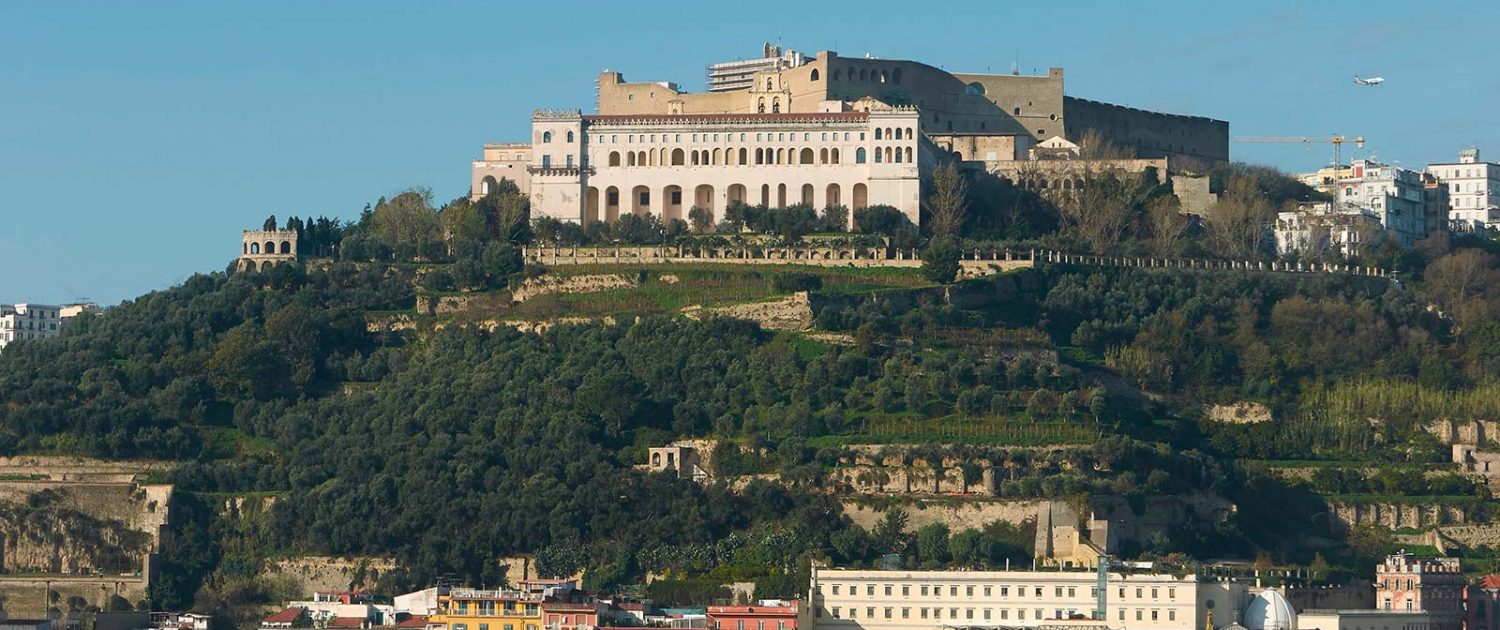
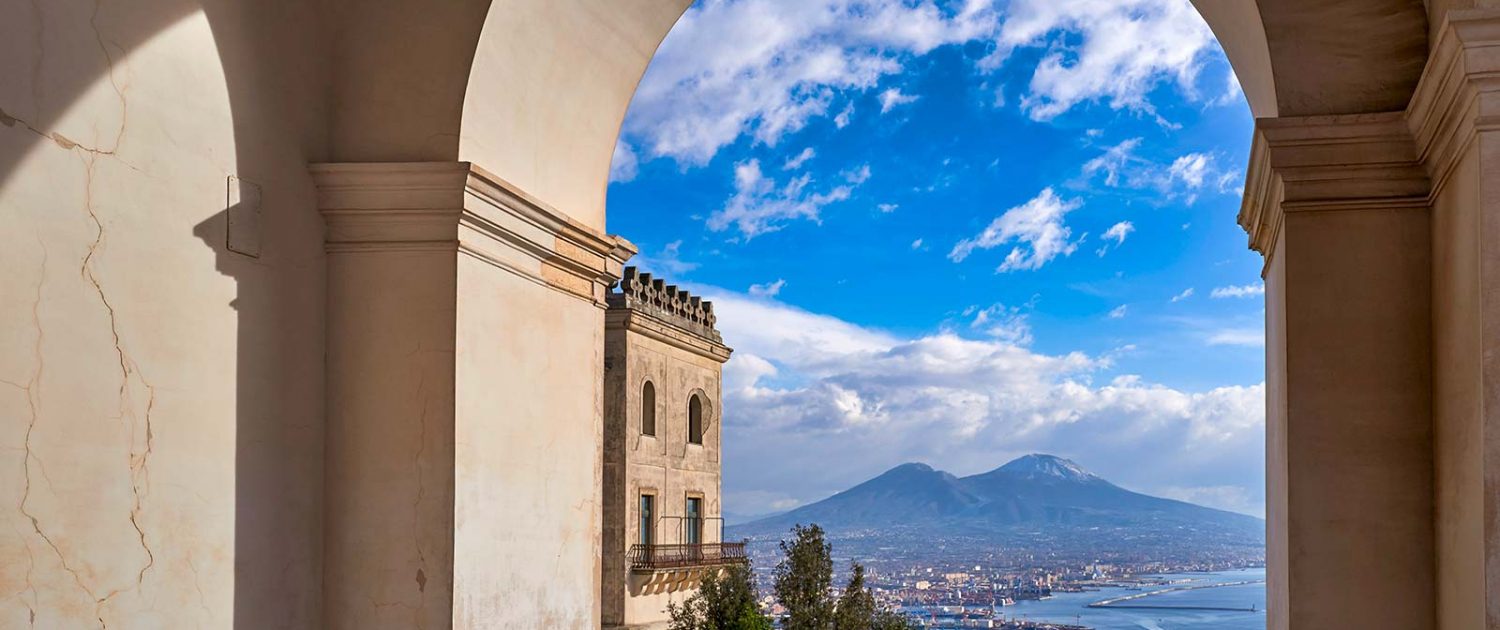
The museum complex on the Vomero hill with a panoramic view of Napoli and its Gulf
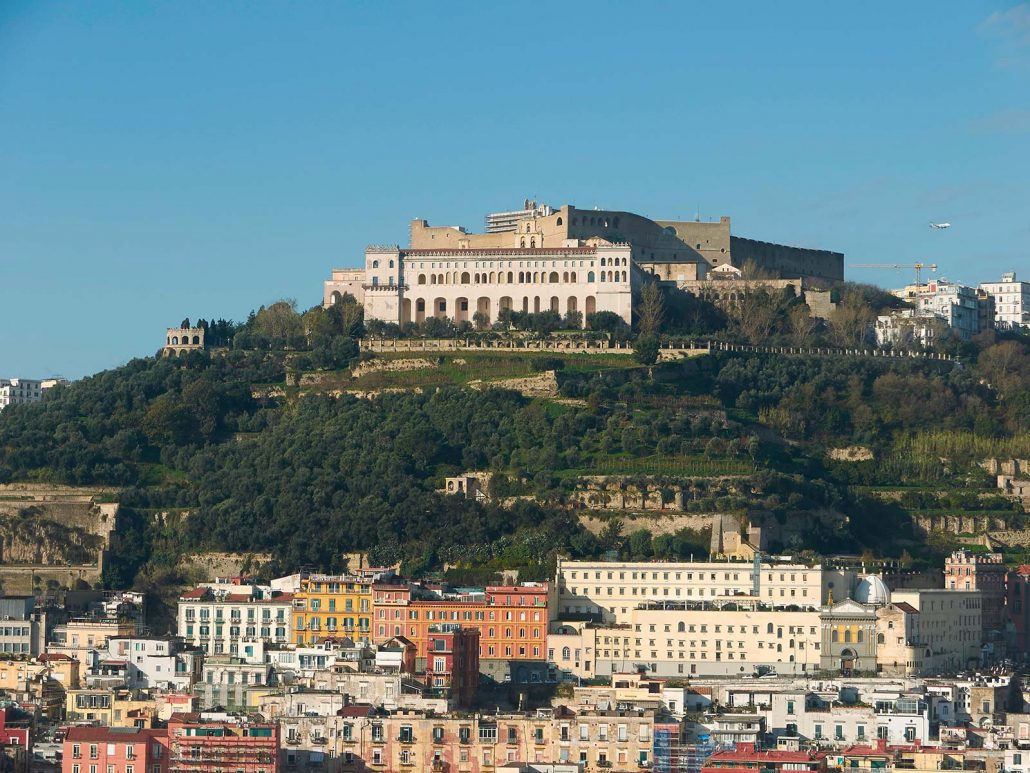
San Martino Charterhouse and museum
© S-F / Shutterstock.com
© S-F / Shutterstock.com

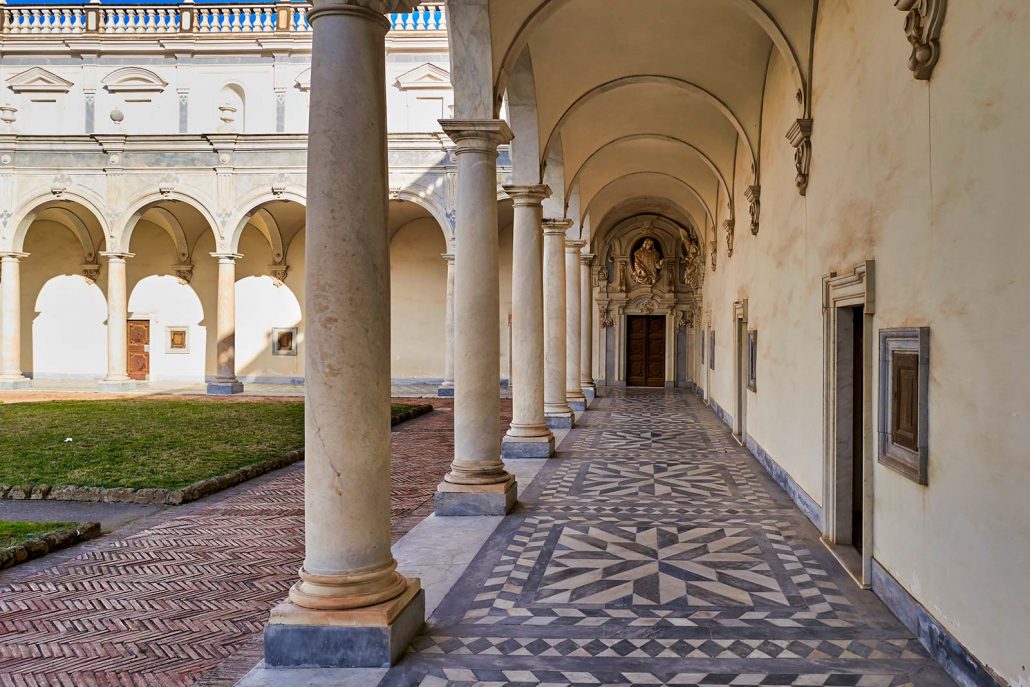
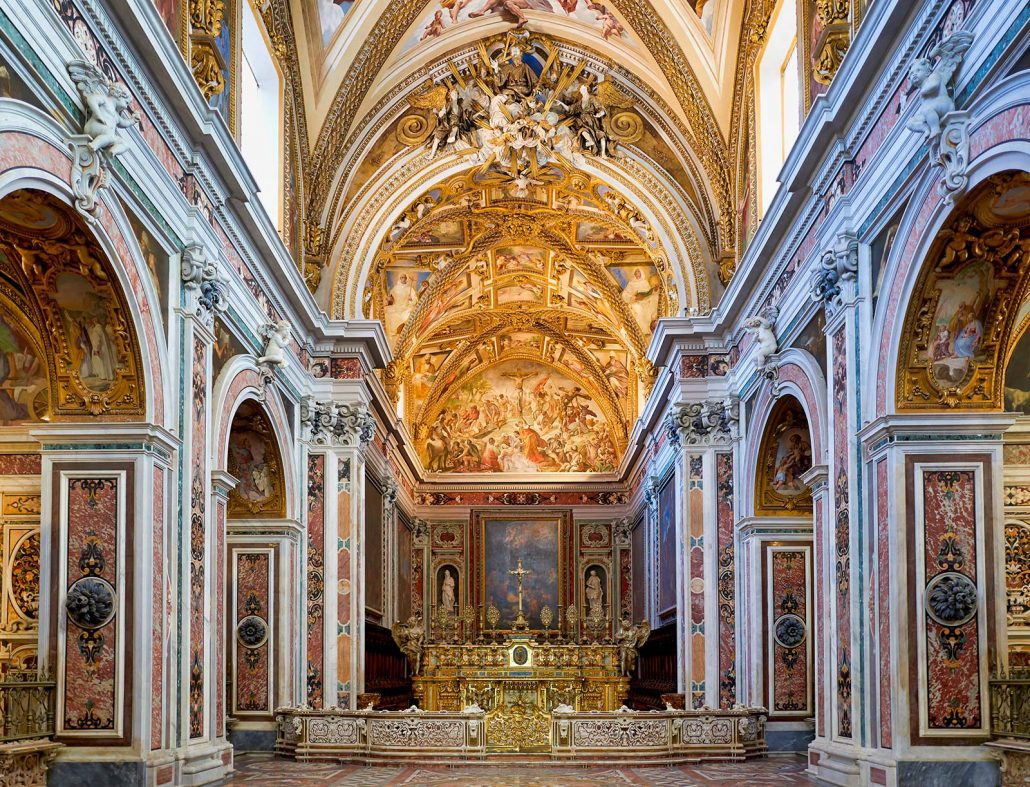
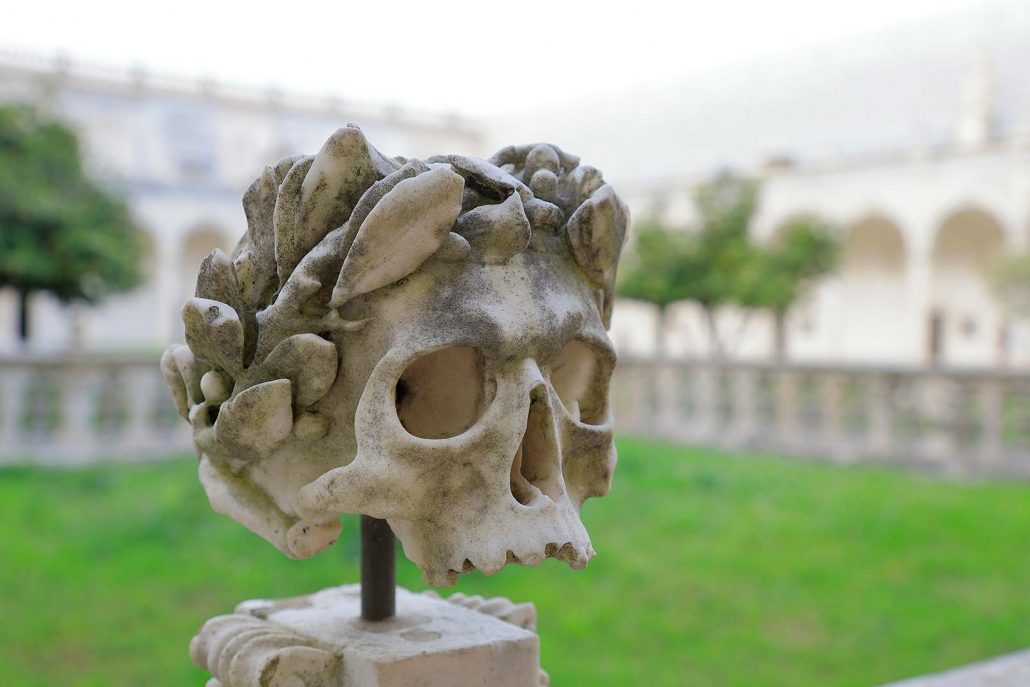
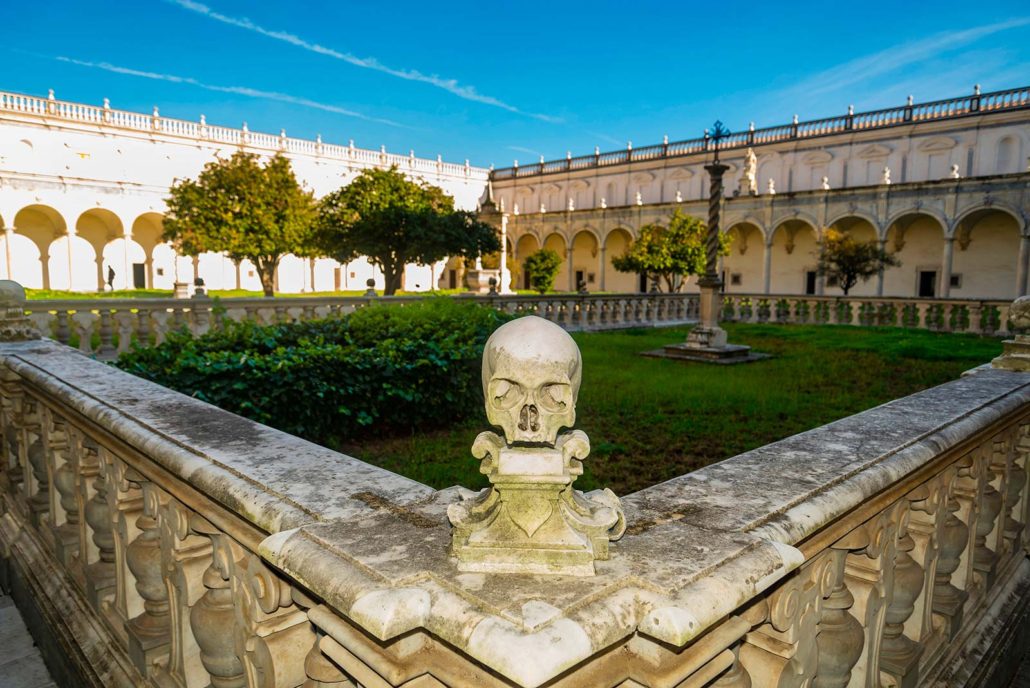
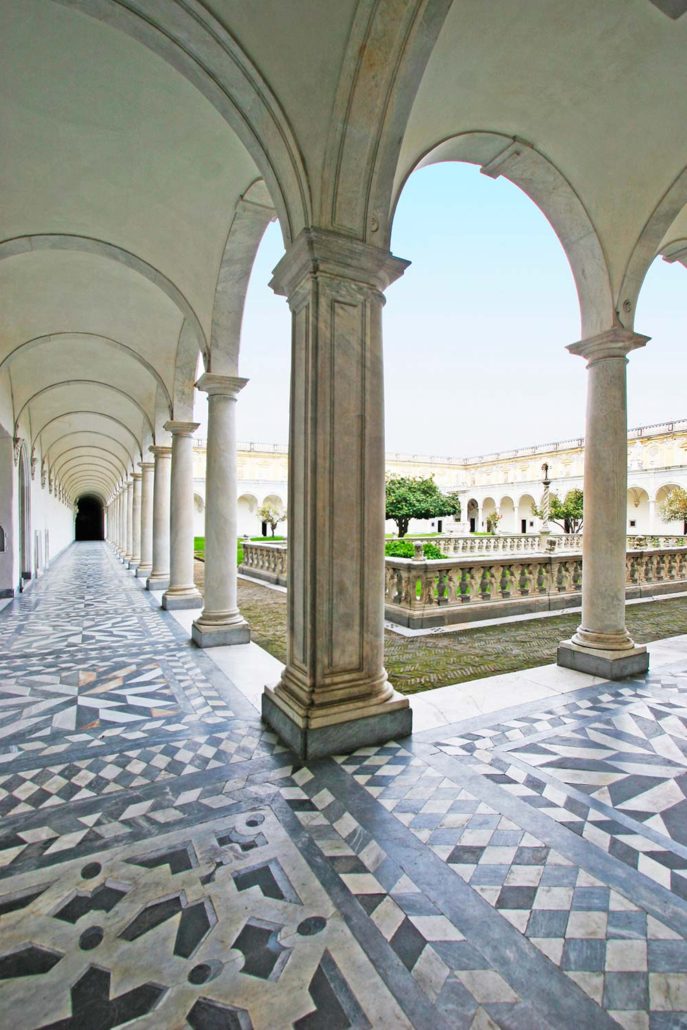
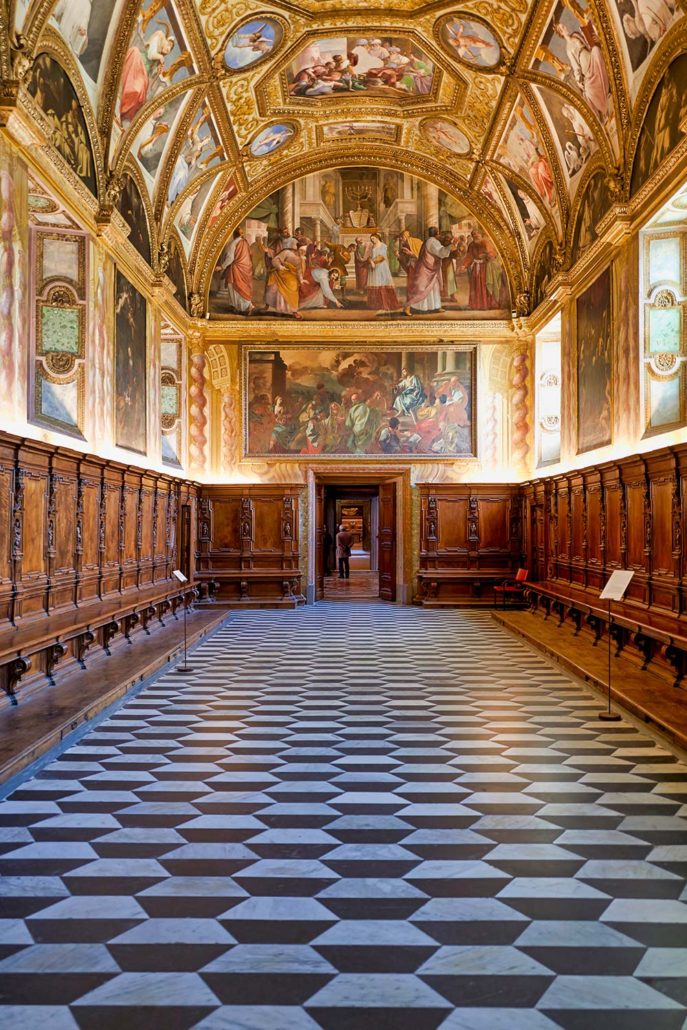
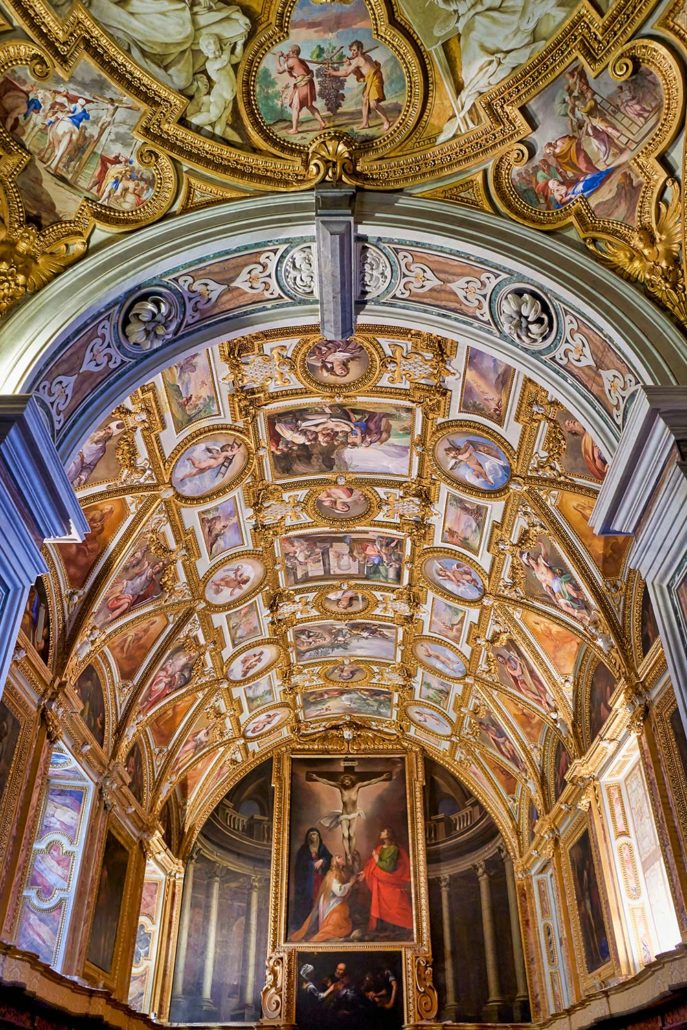
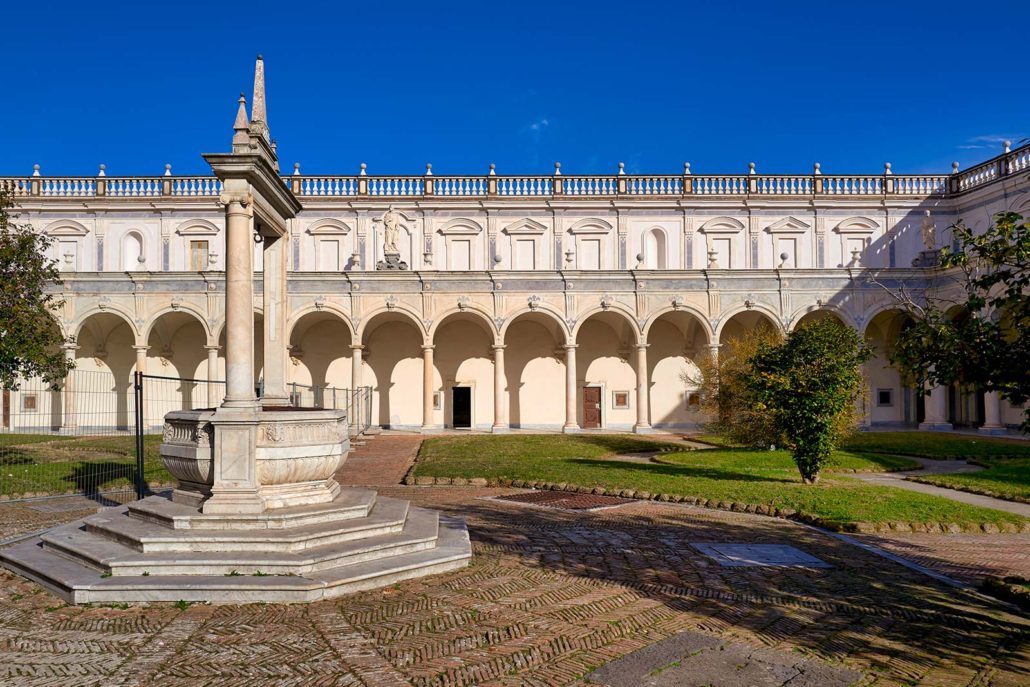
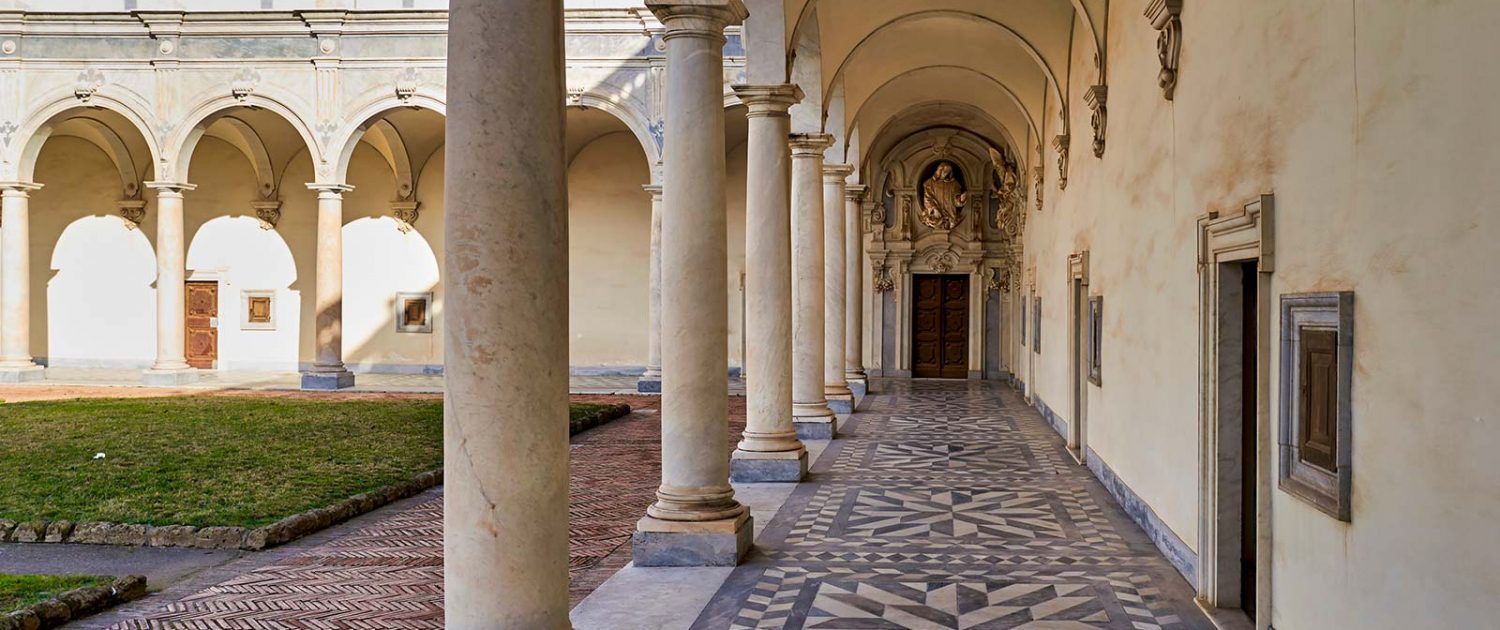
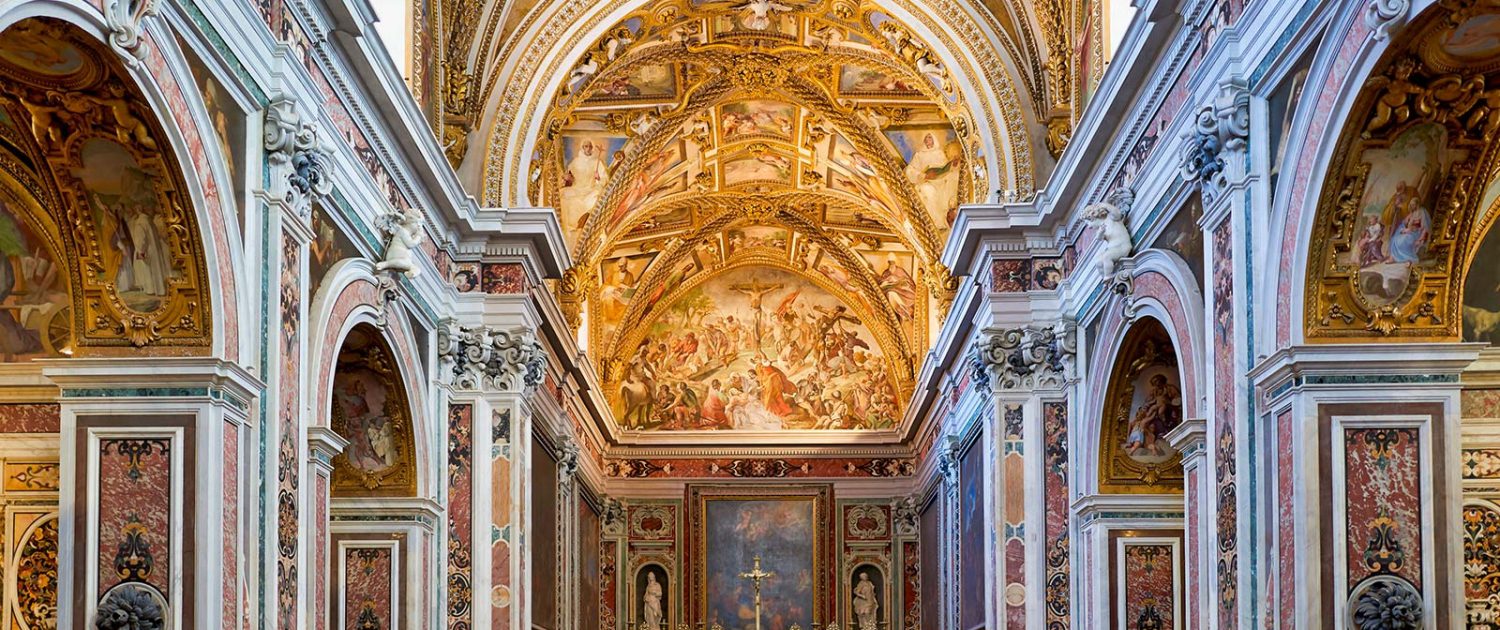
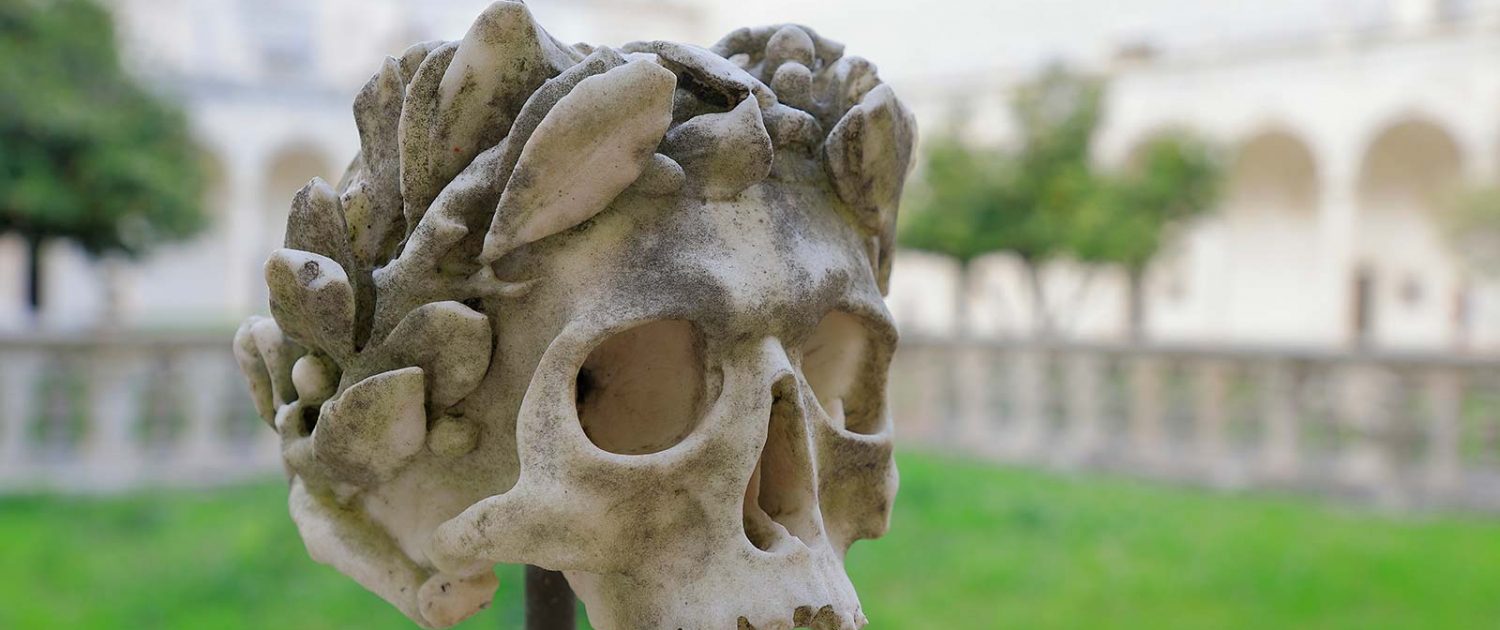
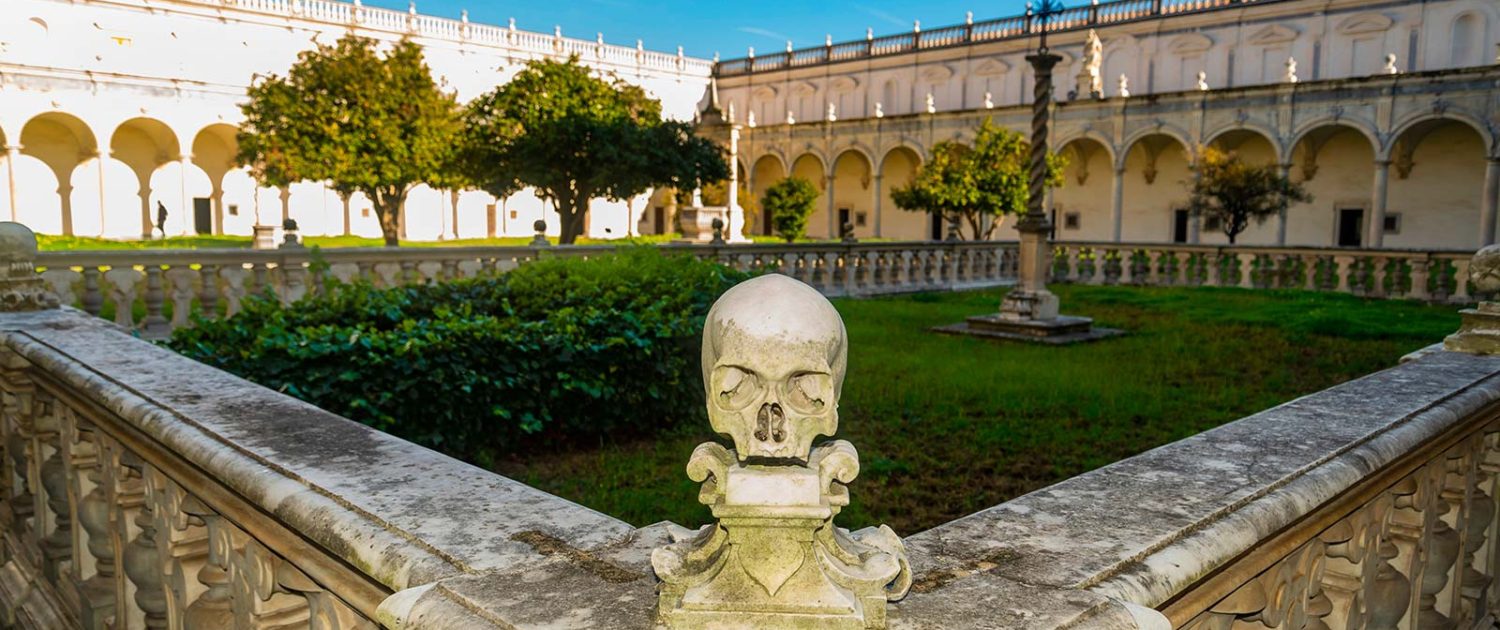
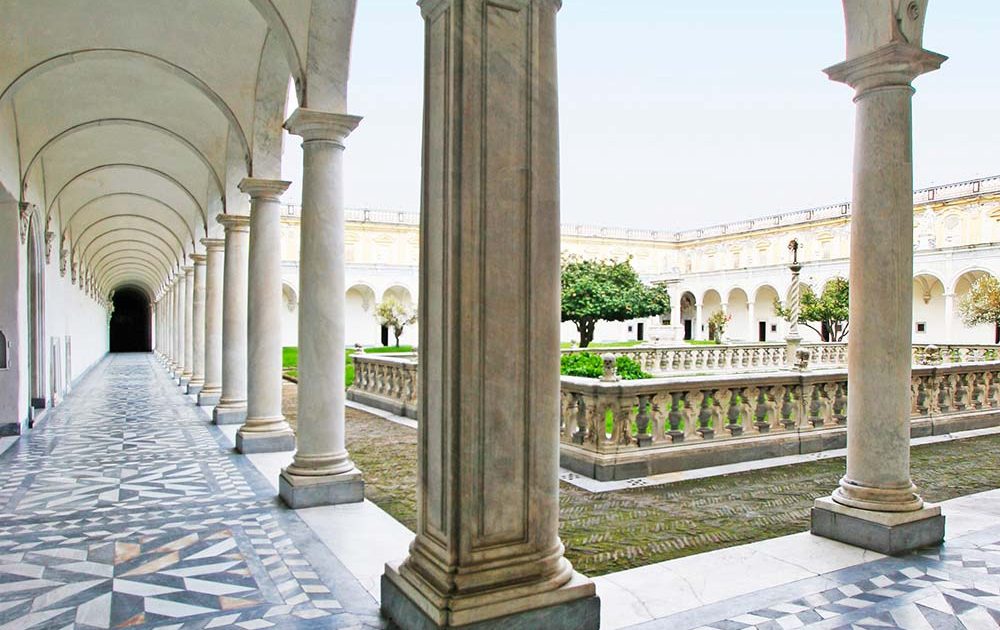
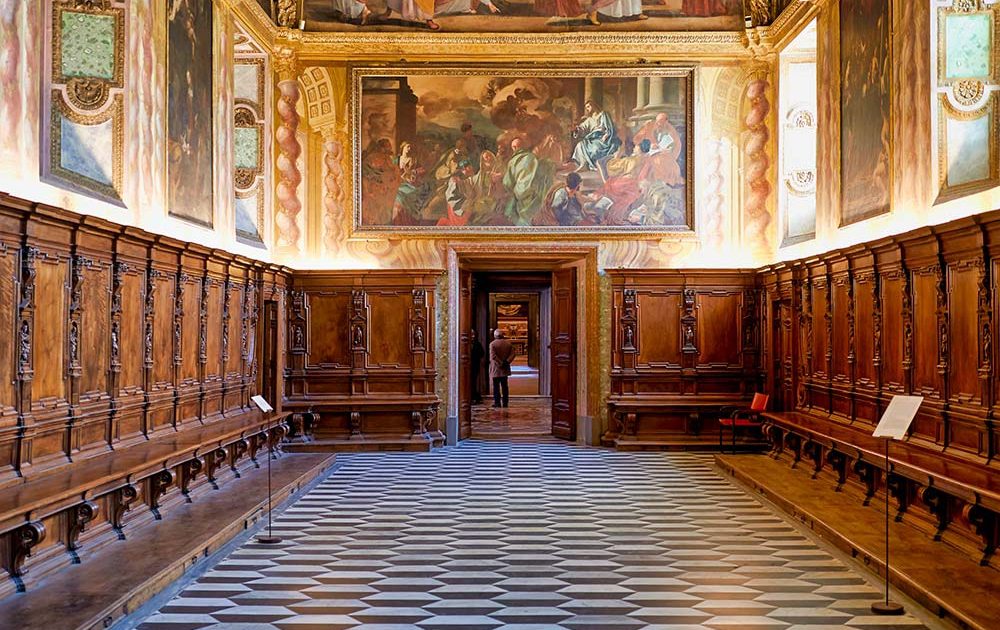
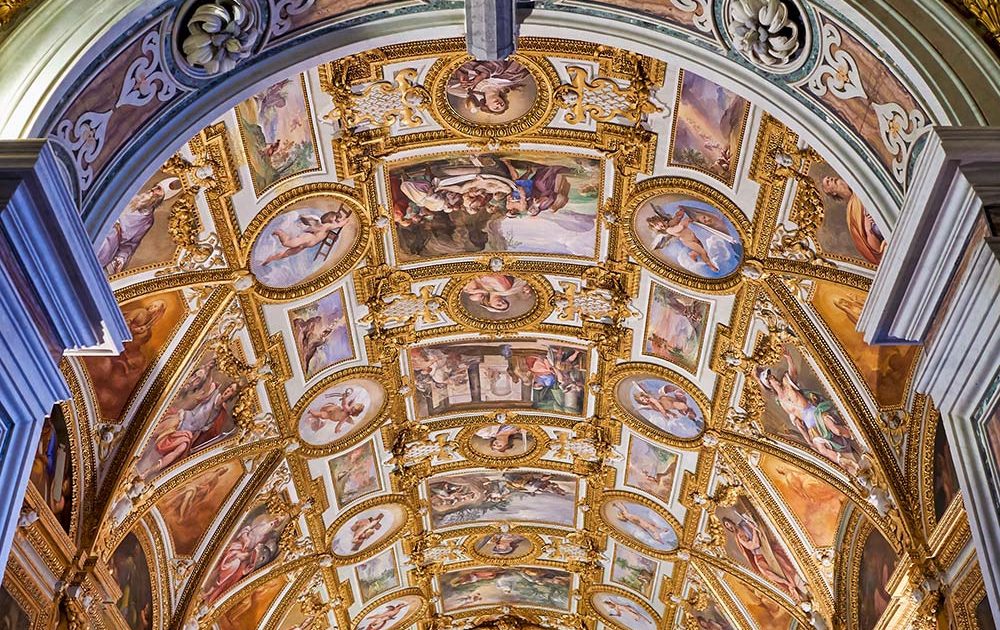
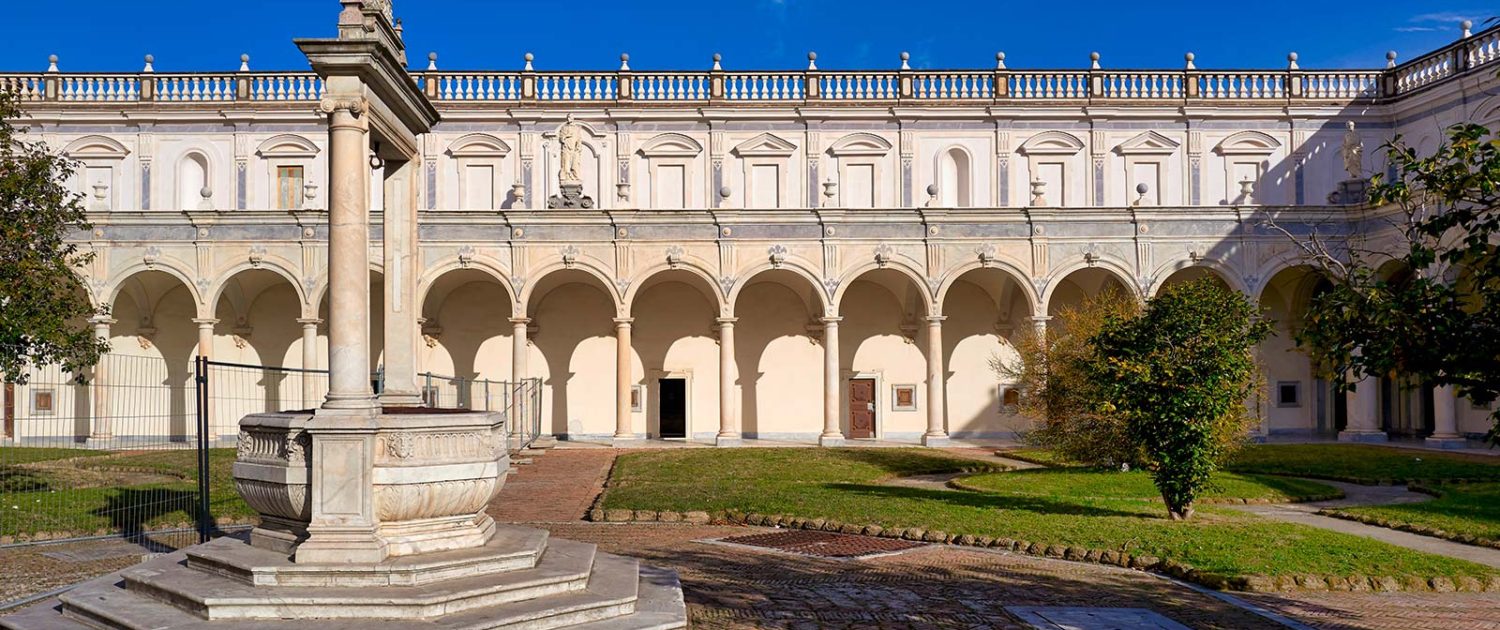
On the Vomero hill, not far from Castel Sant’Elmo, there is the San Martino Charterhouse and museum of Naples, a complex including the church, the cloister, the vertical garden and the exhibition rooms of the museum, housing an incredible collection.
The San Martino Charterhouse and museum is in Largo San Martino sul Vomero. From the Garibaldi central train station take the line 1 underground train and get off at Vanvitelli, then, from piazza Vanvitelli you can either walk or take the V1 bus up to Largo San Martino.
You can also take the Naples funicular railway to reach the Certosa di San Martino: take the central funicular in piazza Augusteo and get off at piazza Fuga; the Montesanto funicular railway stops at via Morghen (the street close to the charterhouse); whereas, the Chiaia funicular railway, that leaves from piazza Amedeo, stops at Cimarosa.
The San Martino Charterhouse and museum was built in 1325, as requested by the son of Roberto d’Angiò, Carlo. It was designed by Tino di Camaino (foreman at the Angevin court), later replaced by Attanasio Primario.
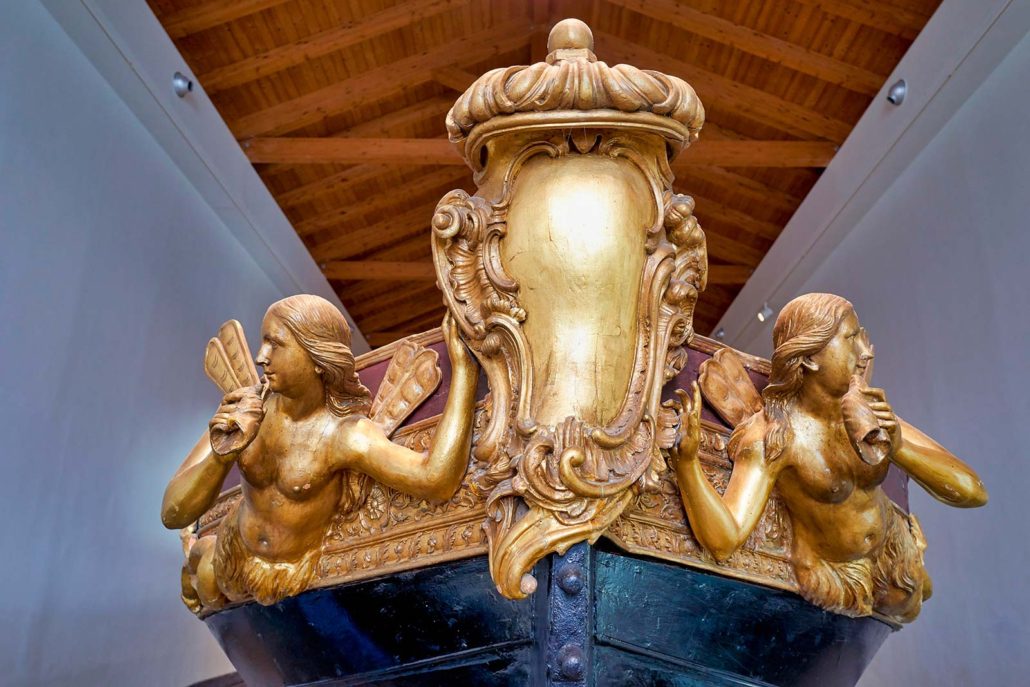
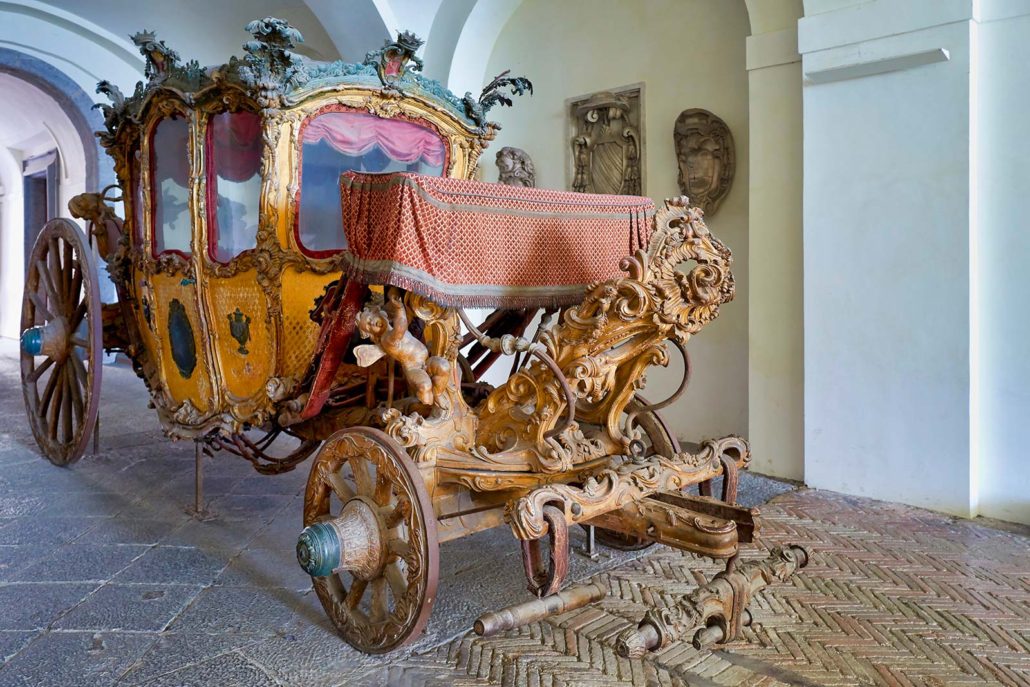
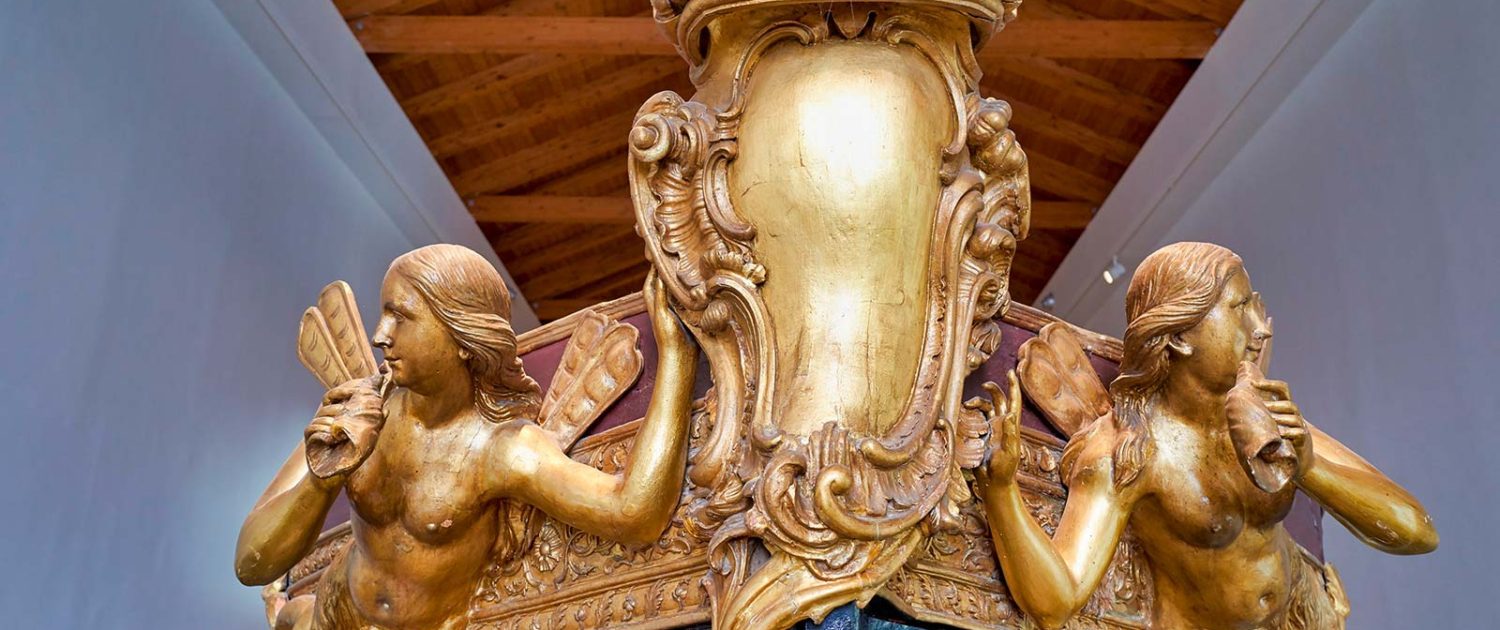
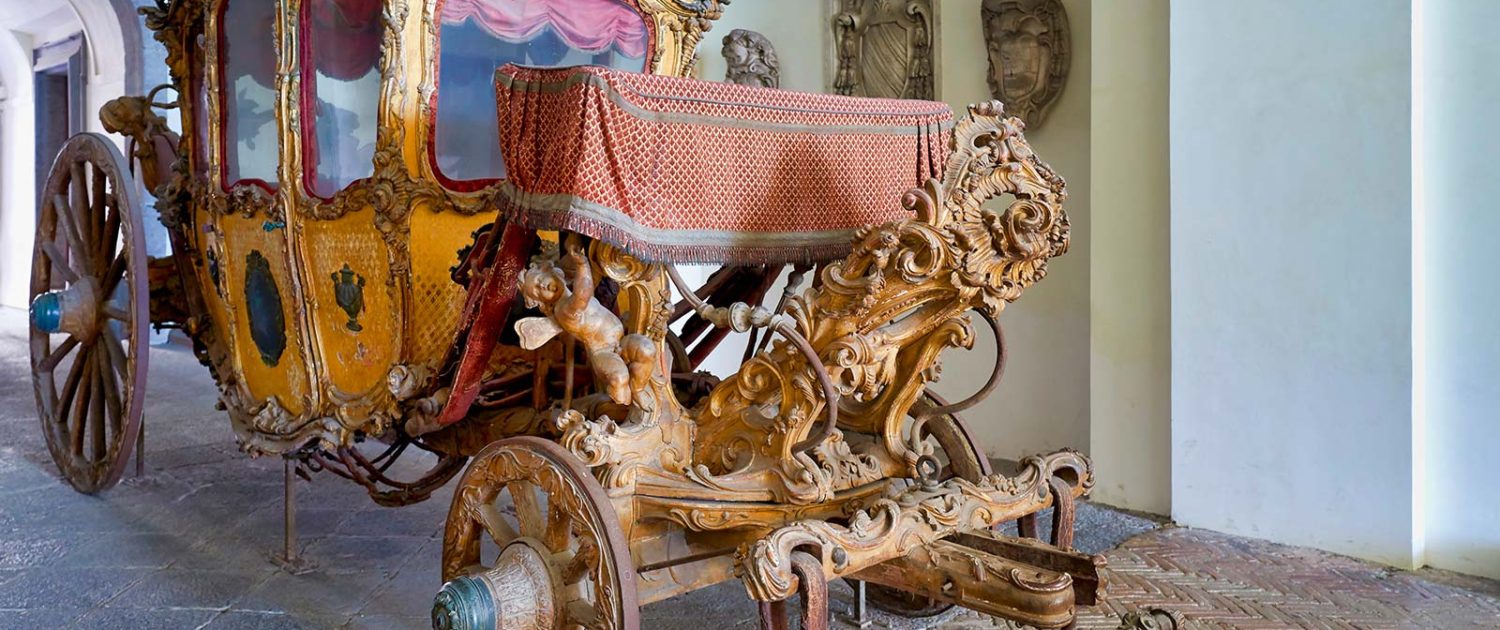
The two chartehouse’s cloisters lead to the Museo di San Martino two-floor building. The first floor houses several departments: the naval department, where the royal vessels are exhibited; the royal carriages room, that includes the carriage of Maria Cristina di Savoia; the native scenes department that is inside the chartherhouse’s former kitchen; the quarto del priore (Prior’s quarter), a finely frescoed apartment that houses a paintings gallery and the arsenal (the quarto del priore apartment leads to the gardens overlooking the Gulf of Napoli); the museo dell’opera (Opera museum) that keeps several charterhouse daily life objects, such as refined glass objects; the Kingdom of Napoli history department, a precious collection to recall the Neapolitan history.
Instead, the museum’s second floor houses the 19th century gallery, the theatrical department, the decorative arts department, the Alisio department, housing painting and watercolours, the prints and illustrations department.
Inside the quarto del priore apartment and the big cloister there are three ancient sundials used by the chartehouse’s residents: a darkroom sundial, a six-hours mechanical sundial and a vertical sundial.

From the charterhouse you can easily reach the Villa Floridiana park that houses the Museo nazionale della ceramica Duca di Martina (Duca di Martina Ceramics National Museum).


Doppiavù Snc – P.IVA 03721200651 – Camera di Commercio di Salerno – REA SA-316131
Project co-financed by
European Regional Development Fund

Made with the co-financing of the European Union, the Italian State and the Campania Region, as part of the POR Campania FESR 2014-2020.
Project co-financed by
European Regional Development Fund
Made with the co-financing of the European Union, the Italian State and the Campania Region, as part of the POR Campania FESR 2014-2020.